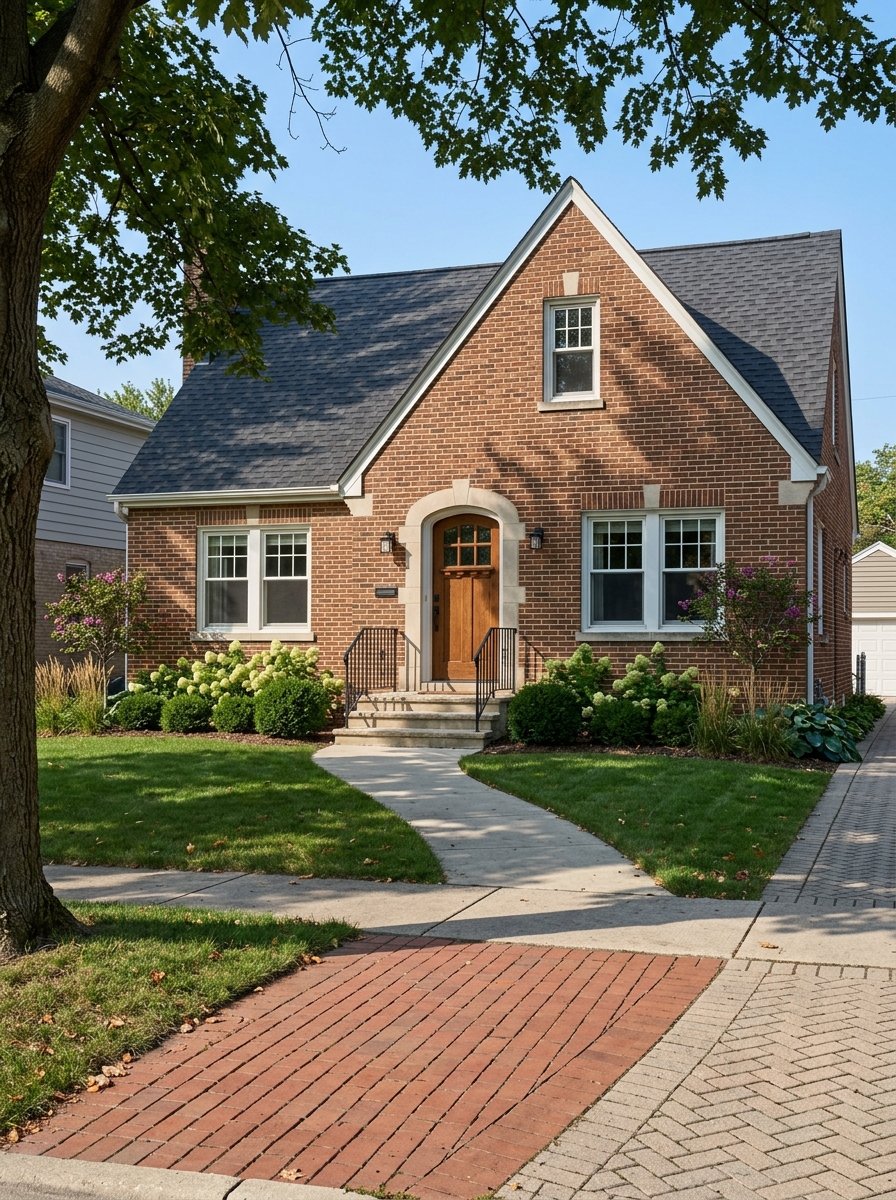
Thinking about buying a vintage home in Elmhurst? It is easy to fall for the curb appeal first. From classic bungalows to old Sears homes and Spanish Revival details, these properties can feel full of warmth and personality in a way many newer homes do not. But charm comes with tradeoffs, and the smartest buyers look beyond style to understand costs, upkeep, and future flexibility. If you want the character and a clear-eyed plan, this guide will help you know what to look for. Let’s dive in.
Why Elmhurst Vintage Homes Stand Out
Elmhurst has a wide mix of housing styles, and that variety is part of the appeal. The city describes its neighborhoods as architecturally diverse, with historic Sears homes, 1920s Spanish Revival houses, Chicago-style bungalows, and mid-century ranches and split-levels. For you as a buyer, that means “vintage home” in Elmhurst is not just one type of property.
That variety also shows up in the broader housing stock. The 2026 Homes for a Changing Region report says about 75% of Elmhurst homes are single-family, about 80% are owner-occupied, and more than 90% of homes built before 1960 were single-family homes or townhomes. In other words, older homes are a major part of Elmhurst’s identity, not a niche corner of the market.
Elmhurst is also a relatively expensive suburban market, which raises the stakes when you buy. Recent market trackers pointed to strong pricing in 2026, with Redfin reporting a median sale price of $752,300 for the three months ending May 2026 and Zillow listing an average home value of $637,153 in July 2026. The exact numbers differ by method, but both suggest you should go in with a realistic budget and a careful plan.
What “Vintage” Can Mean in Elmhurst
One of the biggest upsides of buying older in Elmhurst is architectural character. You may find original trim, distinctive rooflines, brick exteriors, built-ins, or layouts that feel more unique than standard new construction. For many buyers, that personality is the whole point.
At the same time, older homes often function differently from newer ones. Based on the housing styles common in Elmhurst, many vintage homes may have more compartmentalized layouts, smaller kitchens, basements, and later additions instead of open-concept living. That does not make them better or worse, but it does mean you should test how the home lives in person, not just how it photographs online.
Lot setup matters too. Elmhurst planning guidance emphasizes architectural character, setbacks, siting, massing, and open space. For you, that means a home’s lot size, garage placement, and room for future expansion may be just as important as the current interior square footage.
The Style Benefits Buyers Love
Vintage homes in Elmhurst often deliver benefits that are hard to recreate.
Architectural character
Older homes can offer details that feel truly one-of-a-kind. Depending on the property, that may include original woodwork, arched entries, brick craftsmanship, built-ins, or a distinctive exterior style that gives the home a stronger visual identity.
Established streetscapes
Because many older homes sit in long-established parts of Elmhurst, buyers are often drawn to mature trees, varied architecture, and a neighborhood feel shaped over time. The appeal is usually less about sameness and more about texture, scale, and history.
Proven market appeal
Elmhurst home values have risen significantly over time. The Homes for a Changing Region report says values increased from about $300,000 in 2012 to $604,000 in 2025. While no home purchase comes with guarantees, that long-term trend helps explain why many buyers are willing to invest in older properties here.
The Real Tradeoffs to Expect
Charm is great, but vintage homes usually ask more from you than a newer home would. Knowing that upfront can help you buy with confidence instead of surprise.
Layout compromises
A beautiful older home may still have a less-flexible floor plan. Smaller kitchens, narrower rooms, fewer closets, and more segmented living spaces are common tradeoffs in older housing stock. If your lifestyle depends on open gathering space or easy sightlines, this is worth checking carefully during showings.
More upkeep and repair risk
Older systems and materials may need more attention over time. Roof condition, aging HVAC, older plumbing, drainage issues, foundation movement, and basement moisture can all become part of the ownership story. A vintage home can be wonderful, but it is rarely a low-maintenance choice.
Update costs beyond cosmetics
It is easy to budget for paint, countertops, or fixtures. It is harder to budget for the less-visible work that often comes with older houses, like plumbing updates, electrical changes, waterproofing, or sewer-related work. Those items can affect your budget more than the fun design choices do.
Elmhurst Costs Buyers Should Budget For
When you buy a vintage home, the sale price is only the start. Elmhurst’s QuickFacts page shows median selected monthly owner costs with a mortgage at $3,217. That is a useful reminder that your monthly carrying costs may already be substantial before you take on repairs or upgrades.
Permits are another real cost factor in Elmhurst. The city says permits are required for projects including basement remodels, bathroom remodels, replacement windows, fences, patios, and sprinklers. If you buy an older home planning to “just update a few things,” those projects may also involve permit fees, inspections, and contractor coordination.
Basement and sewer-related planning can matter too. Elmhurst offers an overhead sewer program that reimburses 50% of eligible costs up to $5,000, and eligible work may include a sump pit, ejector pump, related plumbing and electrical work, trenching, concrete repairs, and a battery backup. That is helpful, but the city also notes that no system is fail-safe, so this should be viewed as risk reduction, not a guarantee.
Utility age can also affect your planning. Elmhurst says it is administering lead water service replacements, which is another sign that infrastructure age can be part of the conversation when you buy an older property. It is one more reason to ask detailed questions before closing instead of after.
Inspection Priorities for Vintage Homes
A standard home inspection matters in any purchase, but it becomes especially important when the home is older. In Elmhurst, a few issues deserve extra attention.
Lead paint concerns
If the home was built before 1978, lead-based paint should be part of your due diligence. Buyers of most pre-1978 homes must receive lead disclosure before sale, and renovation work in older homes can create dangerous dust. If a property has original painted surfaces, this is not something to treat casually.
Radon testing
Illinois Department of Public Health guidance says buyers must be informed about indoor radon exposure. Since many Elmhurst vintage homes include basements, radon testing during the purchase process is a smart and common step.
Water service and plumbing
Elmhurst’s 2024 Consumer Confidence Report says lead in drinking water primarily comes from service lines and home plumbing, and it notes that flushing the tap for 30 seconds to 2 minutes can reduce exposure. As a buyer, you should ask about the service-line material and whether any replacement work has been documented.
Basements and drainage
Many older homes come with basements, and that makes moisture and drainage a key issue. Ask your inspector to look closely at grading, prior water intrusion, signs of sewer backup, sump systems, and visible foundation concerns. Even a beautiful basement finish does not tell you the whole story.
Mechanical systems and structure
Older homes should be evaluated across the site, exterior, interior, structural components, electrical, plumbing, and HVAC systems. In practical terms, you want a clear picture of how much life remains in the big-ticket items and what repairs may be approaching sooner than later.
Historic Rules Can Affect Your Plans
Some Elmhurst buyers assume that once they own the home, they can change whatever they want. That is not always the case.
If a home is a designated landmark or located in a historic district, Elmhurst’s historic preservation ordinance says alterations that affect significant exterior architectural features require approval. The Historic Preservation Commission reviews landmark-related matters, which can affect projects such as window changes, roofline work, additions, and exterior materials.
That does not mean you should avoid these homes. It just means you should understand the rules before falling in love with a renovation idea. If future expansion or exterior redesign is important to you, ask those questions early.
Smart Questions to Ask Before You Buy
The right questions can save you time, money, and stress. When you tour a vintage home in Elmhurst, keep this checklist handy.
Ask about the property history
- Is the home a landmark or subject to historic review?
- What permit history exists for additions, windows, kitchens, bathrooms, or basement work?
- Has the seller shared any records for water service line replacement or sewer-related work?
- Are there documents that explain major updates to plumbing, electrical, HVAC, or roofing?
Ask about the lot and future options
- How do setbacks, garage placement, and open-space considerations affect future changes?
- Is there practical room for an addition, a reworked garage setup, or exterior changes?
- Does the current layout match how you actually live day to day?
Ask your inspector to focus on age-related issues
- Are there signs of lead paint concerns, radon risk, or older plumbing issues?
- Is there evidence of basement moisture, prior sewer backups, or drainage problems?
- Do the foundation, roof, electrical, plumbing, and HVAC systems show wear that should affect your offer?
Ask your lender early
- Will the loan program require repairs or condition-related escrows before closing?
- Could age-related defects affect underwriting or timing?
How to Balance Charm and Budget
The best vintage-home purchases usually happen when you stay practical without losing sight of why you loved the home in the first place. A beautiful facade means less if the layout does not work for you or the repair list stretches your budget too far.
Try to think in layers. First, decide whether you truly like the home’s style and floor plan as they are today. Then price out what it would take to make the home safe, comfortable, and functional before you spend energy on cosmetic upgrades.
It also helps to compare original-condition homes and updated homes carefully. In a strong market like Elmhurst, the cheaper purchase price on an older, less-updated property may look appealing at first, but your all-in cost can change quickly once repairs, permits, and timeline stress are added in.
Is a Vintage Elmhurst Home Right for You?
A vintage home in Elmhurst can be a fantastic fit if you value character, appreciate architectural variety, and are comfortable doing deeper homework before you buy. These homes often offer a sense of individuality and long-term appeal that many buyers find worth the effort.
At the same time, the tradeoffs are real. You may be taking on higher repair budgets, more permit-heavy projects, added due diligence around lead and radon, and more questions about drainage, basements, and utility age. The goal is not to avoid older homes. The goal is to buy one with your eyes open.
If you want help weighing style, condition, lot potential, and true ownership costs in Elmhurst or nearby DuPage County suburbs, Alexa Mimi Wagner can help you make a smart move with less stress and more clarity.
FAQs
What counts as a vintage home in Elmhurst?
- In Elmhurst, vintage homes can include historic Sears homes, 1920s Spanish Revival houses, Chicago-style bungalows, ranches, split-levels, and other older properties that reflect the city’s architecturally diverse housing stock.
Are vintage homes in Elmhurst more expensive to maintain?
- They can be, because older homes may require more repairs, system updates, drainage work, permit-related remodeling costs, and added due diligence compared with newer homes.
What should buyers inspect in an older Elmhurst home?
- Pay close attention to lead paint concerns in pre-1978 homes, radon, water service line material, basement moisture, drainage, roof condition, foundation movement, electrical, plumbing, and HVAC systems.
Do Elmhurst vintage homes need permits for updates?
- Yes, the city says permits are required for projects such as basement remodels, bathroom remodels, replacement windows, fences, patios, and sprinklers.
Can historic rules affect changes to an Elmhurst home?
- Yes, if a property is a designated landmark or in a historic district, changes to significant exterior architectural features may require approval under Elmhurst’s historic preservation rules.
Is buying a vintage home in Elmhurst worth it?
- It can be worth it if you value architectural character and understand the likely tradeoffs, including higher upkeep, older systems, and more detailed pre-purchase research.