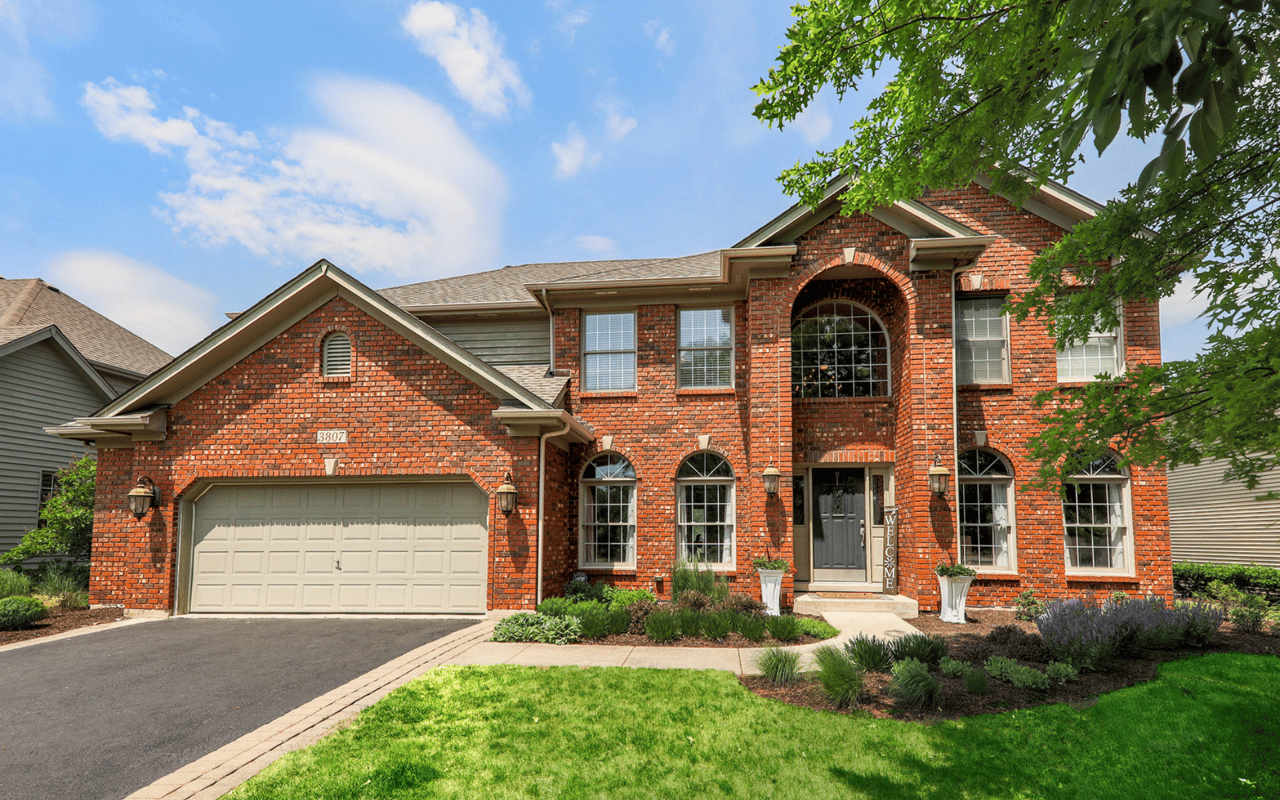
Knowing the difference between buying a second home and a new investment property is vital if you’re considering expanding your real estate portfolio. There are a handful of key differences between purchasing a second home and an investment property. Each type of property serves a unique purpose and comes with its own set of benefits and challenges. In Naperville, IL, where the real estate market can be competitive, knowing these differences can significantly impact your decision-making process.
Defining a Second Home
A second home is typically a house you use for personal enjoyment, like a vacation home or a place in a different city. You may use the property occasionally or for extended periods, but it is not your primary residence. In Naperville, many buyers opt for second homes to enjoy the scenic suburban environment while maintaining proximity to Chicago.
Benefits of Owning a Second Home
- Personal Enjoyment: A second home offers a private retreat and can enhance your quality of life. Whether it's a lakefront property or a cozy cottage, the personal enjoyment factor is significant.
- Familiarity and Convenience: Owning a second home in a familiar location can provide a sense of stability and convenience, especially if it's within a reasonable distance from your primary residence.
- Potential for Appreciation: Like primary residences, second homes can appreciate in value over time, particularly in desirable locations like Naperville, where the real estate market has shown consistent growth.
Understanding Investment Properties
Investment properties, on the other hand, are purchased primarily to generate income, either through rental income, appreciation, or both. These can range from single-family homes to multi-family units and commercial real estate.
Recommended Reading: Your Ultimate Guide to Home Inspection Before Buying
Benefits of Owning an Investment Property
- Income Generation: The primary advantage of an investment property is the potential to generate steady rental income. This can be particularly lucrative in high-demand areas like Naperville.
- Tax Benefits: Investment properties often come with some tax advantages, including deductions for mortgage interest, property management expenses, and depreciation.
- Diversification of Assets: Real estate can be a solid way to diversify your investment portfolio. This can help hedge against stock market volatility.
Key Differences: Second Home vs Investment Property
Financing
- Second Home: Lenders typically require a lower down payment for a second home compared to an investment property. Interest rates may also be more favorable.
- Investment Property: Financing an investment property usually requires a higher down payment, often around 20-30%. They can also have higher interest rates because of the increased risk associated with rental properties.
Usage and Occupancy
- Second Home: Primarily for personal use, although it can occasionally be rented out.
- Investment Property: Often purchased with the intent to rent out to tenants. The owner may not spend significant time living in the property.
Tax Implications
- Second Home: The mortgage interest and property taxes on a second home are generally deductible if you itemize your deductions. However, rental income must be reported if the home is rented out for more than 14 days a year.
- Investment Property: All rental income must be reported. However, you can deduct operating expenses, such as property management fees, repairs, and utilities, which can significantly offset your taxable income.
Considerations When Choosing Between a Second Home and an Investment Property
Location and Market Trends
When considering Naperville homes for sale, it's crucial to research the local market trends. Naperville real estate has shown robust growth, making it an attractive option for both second homes and investment properties.
Personal Financial Goals
Your financial goals will heavily influence your decision. If you seek a place for family vacations or a future retirement home, a second home might be the right choice. However, if your goal is to create passive income and build wealth, an investment property may be more suitable.
Naperville Real Estate: A Snapshot
Naperville is known for its high-quality suburban lifestyle. The city's real estate market has a mix of properties, from luxury homes to modern condos. Whether you're looking for a second home or an investment property, Naperville's diverse housing market can cater to your needs.
Pros and Potential Challenges
Pros of Buying a Second Home
- Potential for Rental Income: While primarily for personal use, you can still rent out your second home occasionally to offset costs.
- Long-term Investment: Second homes can appreciate over time, contributing to your overall net worth.
Potential Challenges of Buying a Second Home
- Maintenance Costs: Owning an additional property means double the maintenance and upkeep responsibilities.
- Limited Rental Income: Since the primary use is personal, the potential for generating rental income is limited.
Pros of Buying an Investment Property
- Steady Income Stream: Investment properties can provide a reliable source of income through rentals.
- Tax Advantages: Various tax deductions can make owning an investment property financially beneficial.
- Appreciation Potential: Investment properties can appreciate over time, adding to your long-term wealth.
Potential Challenges of Buying an Investment Property
- Management Responsibilities: Managing tenants and maintenance can be time-consuming and stressful.
- Higher Financing Costs: The initial costs, including down payment and interest rates, are typically higher for investment properties.
- Market Risks: Rental markets can be volatile, and vacancies or market downturns can impact your income.
Alexa Mimi Wagner: Your Real Estate Partner in Naperville
If you're ready to explore the possibilities of owning a second home or investment property in Naperville, contact Alexa Mimi Wagner today. With expert knowledge of the local market and a commitment to personalized service, Alexa can help you find the perfect property to meet your needs. Reach out to Alexa Mimi Wagner to begin your journey today.
*Header image courtesy of Alexa Mimi Wagner
Recommended Reading: Buying a Home in Naperville, IL